The Mulberry Tree and the Silkworm
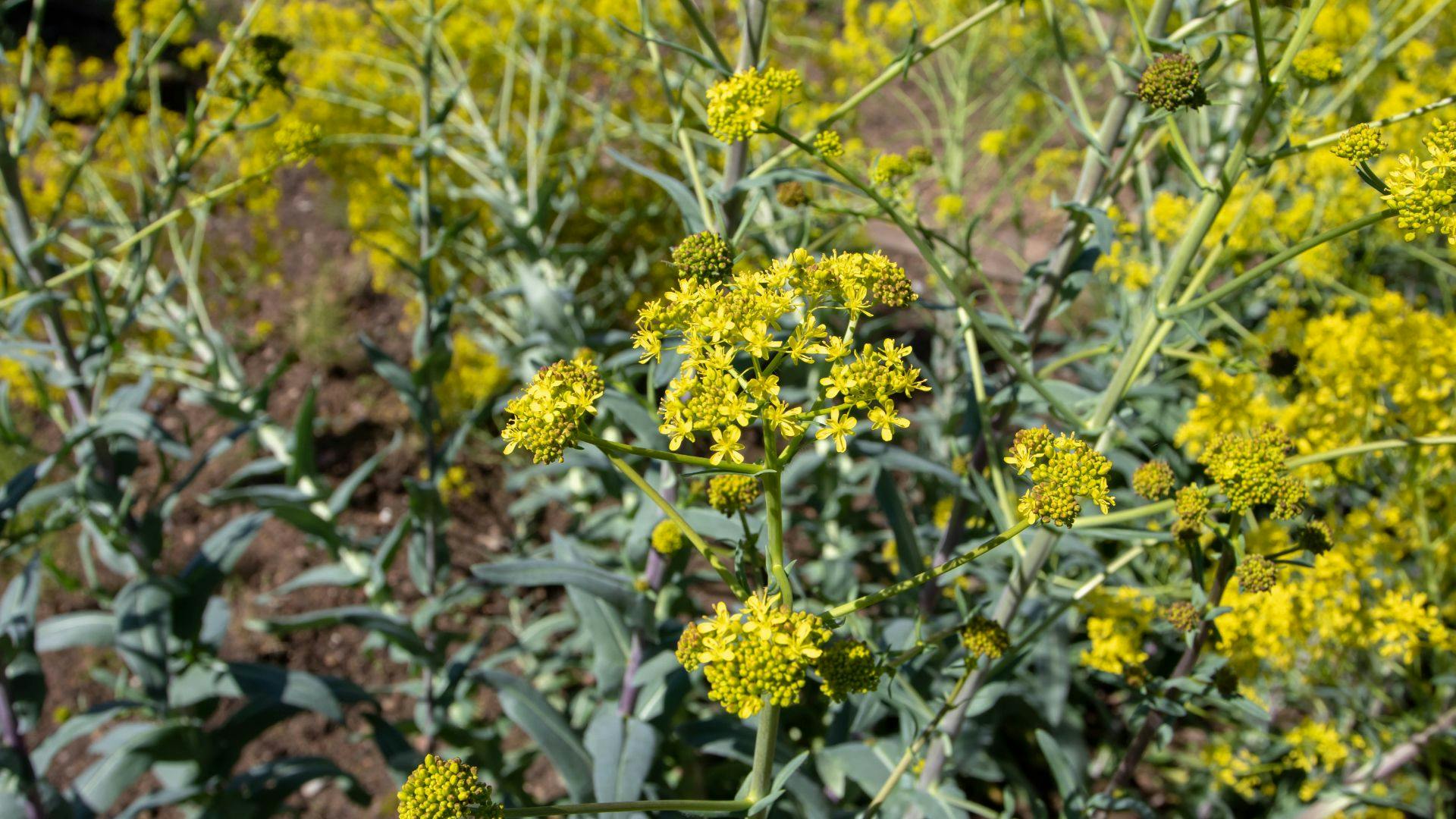
The mulberry tree (Morus) is a species native to Asia and was introduced to Europe in ancient times.
There are three main varieties:
- White mulberry (Morus alba), the most common and the one preferred by silkworms;
- Red mulberry (Morus rubra), originally from America, with more acidic fruits;
- Black mulberry (Morus nigra), which produces dark, sweet, and aromatic berries.
Mulberry trees are hardy and long-lived, adaptable to many soil types and resistant to cold.
Their fruits, similar to blackberries, are rich in vitamins, sugars, and antioxidants, while the leaves of the white mulberry provide the exclusive food source for the silkworm.
Silkworm Rearing
The silkworm (Bombyx mori) is the larva of a moth that no longer exists in the wild.
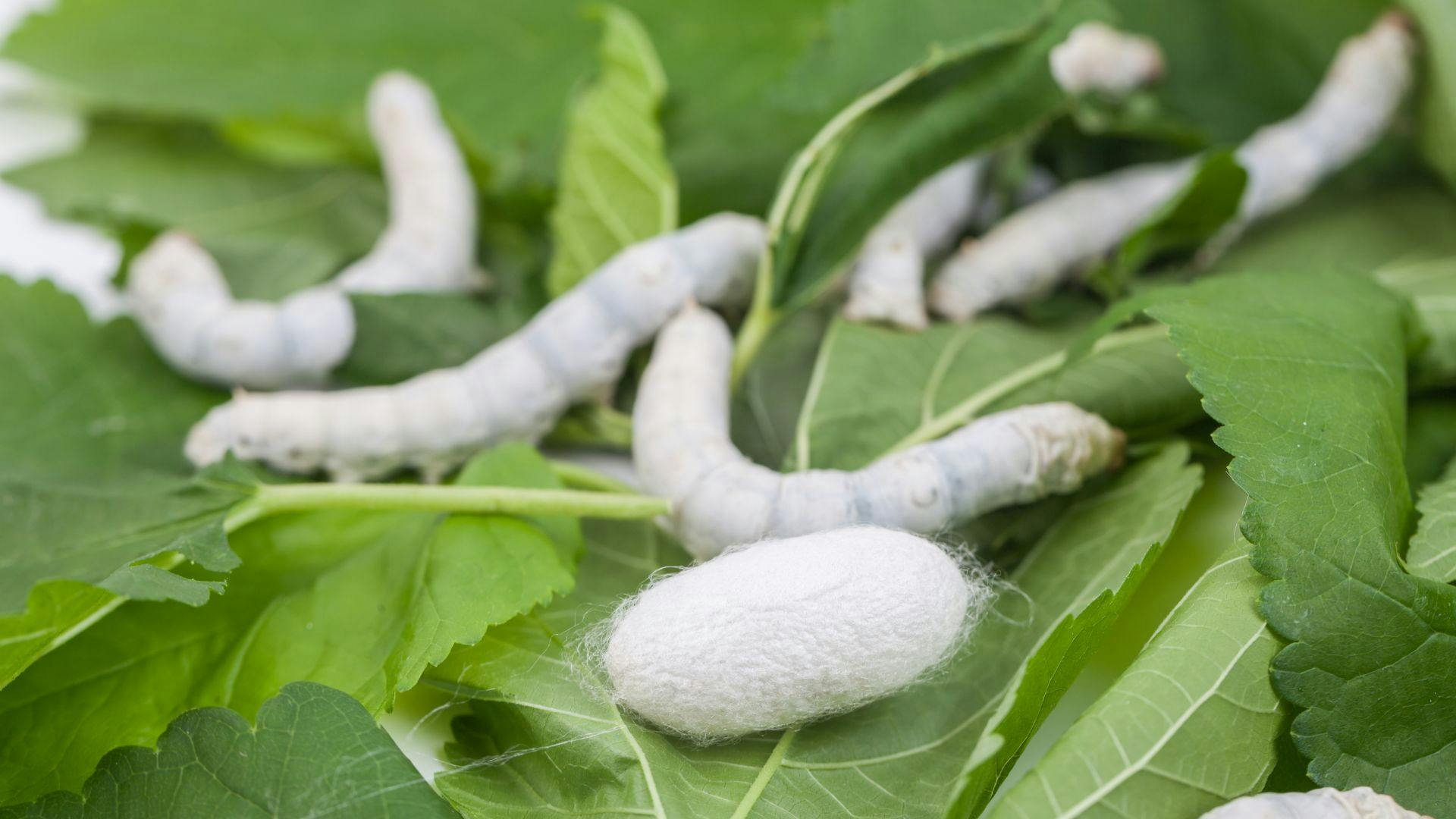
It hatches from tiny eggs and, over about 30 to 35 days, goes through four molts, feeding exclusively on mulberry leaves.
When ready for metamorphosis, it stops eating and begins to spin its cocoon, secreting a continuous silk filament.
Each cocoon can produce an astonishingly long thread — between 700 and 1,500 meters!
Silk is made of two proteins: fibroin, which forms the actual fiber, and sericin, a natural gum that binds the threads together to form the cocoon.
From Chrysalis to Silk
To obtain the silk, the cocoons are immersed in hot water, which softens the sericin and allows the continuous unwinding of the thread.
The filaments from several cocoons are then combined to form a single continuous, fine, and shiny thread, later spun and woven into fabric.
Silk is a natural, light, strong, and fully biodegradable fiber, and for centuries it represented one of the great achievements of Italian craftsmanship.
The Silkworm Moth
After metamorphosis, the moth emerges from the cocoon.
Although it cannot fly and lives only for a few days, it still plays an important ecological role:
- it contributes to the biodiversity of pollinating insects;
- it serves as a food source for bats, birds, and other insect-eating animals;
- it reminds us of the ancient connection between humans and nature, where balance and respect for life cycles were at the heart of production.